Editorial Policy
The Pakistan Journal of Medical & Health Sciences (PJM&HS) (ISSN Online: 2957-899X , Print: 1996-7195 ) is a monthly, peer-reviewed, open-access medical and health sciences journal, dedicated to advancing medical research, clinical knowledge, public health science, and healthcare professionalism. The journal operates with a strong commitment to academic excellence, ethical publishing, editorial independence, and global transparency. As an open-access journal, PJM&HS ensures that all published research is freely available to clinicians, researchers, educators, and the wider scientific community.
The journal’s editorial and ethical framework is guided by internationally recognized bodies, including the Committee on Publication Ethics (COPE), the International Committee of Medical Journal Editors (ICMJE), the Pakistan Medical & Dental Council (PMDC) ethical publishing standards, the Higher Education Commission (HEC) Pakistan journal policies, and the World Association of Medical Editors (WAME) Principles of Transparency and Best Practices in Scholarly Publishing. These frameworks collectively ensure that PJM&HS publishes only research that meets the highest standards of scientific rigor, methodological precision, ethical conduct, and professional responsibility.
- Authorship Criteria
1.1 Definition of Authorship
Authorship in the Pakistan Journal of Medical & Health Sciences (PJM&HS) is defined according to the internationally recognized recommendations of the International Committee of Medical Journal Editors (ICMJE). The journal considers authorship a position of academic responsibility, scientific accountability, and ethical integrity. An author is someone who has made a significant intellectual contribution to the work and who accepts responsibility for the accuracy and validity of the content. Authorship cannot be claimed on the basis of institutional position, financial contribution, seniority, professional relationship, or administrative authority. Instead, it must reflect meaningful scholarly engagement in the creation, development, and refinement of the research. The detailed ICMJE authorship recommendations are available at:
1.2 Core Requirements for Authorship
PJM&HS requires that all individuals listed as authors must meet all four conditions outlined by ICMJE, and authorship is granted only when these conditions are fulfilled collectively. These conditions include substantial involvement in the conception or design of the work or the acquisition, analysis, or interpretation of data; active participation in drafting the manuscript or critically revising it for important intellectual content; final approval of the version to be published; and full accountability for the integrity and ethical soundness of the research. The journal expects every author to understand the entire manuscript and to stand ready to respond to questions concerning any part of the work. Authors who do not meet any one of these essential components cannot be listed as authors, as partial involvement falls short of the internationally accepted criteria.
1.3 Non-Author Contributions and Acknowledgements
PJM&HS recognizes that many individuals contribute valuable support to a research project without meeting full authorship criteria. Such contributions may include technical assistance, data collection, patient recruitment, routine laboratory support, clerical or administrative help, proofreading, language editing, or general supervision. These individuals do not qualify for authorship and must not be listed as authors. Instead, they may be acknowledged appropriately in a separate section of the manuscript, provided they give permission to be named. This distinction safeguards the integrity of authorship and prevents the inflation of author lists with contributors who have not met the ICMJE-defined intellectual and accountability criteria. Further clarification on contributor roles is provided at:
1.4 Prohibition of Unethical Authorship Practices
The journal strictly prohibits all forms of unethical authorship practices, including guest authorship, gift authorship, honorary authorship, ghost authorship, and purchased authorship positions. Guest authorship refers to listing an individual who has made no intellectual contribution merely to benefit from their reputation. Gift authorship involves adding colleagues, friends, or supervisors solely out of courtesy or obligation. Ghost authorship occurs when significant contributors, such as statisticians or writers, are omitted without justification. Paid authorship, in which authorship is sold or negotiated, is a serious violation of academic integrity. PJM&HS follows COPE’s guidance on addressing authorship misconduct and reserves the right to reject manuscripts or contact institutions if unethical authorship behavior is detected. The COPE guidance is available at:
https://publicationethics.org/resources/guidelines-new/cope-guidance-authorship
1.5 Authorship Changes After Submission
Requests to modify authorship after submission whether by adding, removing, or rearranging authors must be handled with extreme caution and transparency. PJM&HS requires a formal written explanation for any such request, signed by all authors, confirming their agreement to the proposed change. The journal may contact institutions if the authenticity of the request is uncertain or if an authorship dispute is suspected. No authorship changes are permitted after acceptance unless compelling ethical or academic reasons are presented. This policy aligns with COPE’s recommendations for managing authorship disputes to ensure fairness, transparency, and academic rigor.
1.6 Group Authorship and Multi-Center Collaborations
In studies conducted by large collaborative groups, consortia, or multi-center teams, PJM&HS follows the ICMJE guidance on group authorship. Group authorship is acceptable when each listed author meets the full ICMJE authorship criteria, and the group’s role is clearly defined within the manuscript. In some cases, the group name may appear as the author while individual contributors are listed elsewhere in the article or supplementary materials. The ICMJE’s detailed guidance on group authorship is available at:
https://www.icmje.org/recommendations/browse/roles-and-responsibilities/group-authorship.html
1.7 Accountability and Ethical Responsibility
Every author listed on a manuscript must accept full responsibility for the integrity of the entire work. This includes verifying the accuracy of data, ensuring that methods are reported transparently, confirming that ethical approvals and participant consents were obtained, and guaranteeing that no part of the manuscript violates ethical or scientific standards. PJM&HS may refuse publication or retract a published article if any author is unwilling to uphold these responsibilities.
CrossMark Policy

The Pakistan Journal of Medical & Health Sciences (PJM&HS) is fully committed to maintaining the integrity, reliability, and long-term accuracy of its scholarly content. To uphold these standards and to ensure that readers always have access to the most current and authoritative version of an article, the journal participates in the CrossMark program offered by Crossref. The presence of the CrossMark logo on each published article indicates that the document is actively maintained by the journal and that any updates, corrections, amendments, retractions, or editorial notes related to the content will be clearly linked and made immediately available to readers. The CrossMark initiative enables scholars, clinicians, researchers, and policymakers to verify the status of a document with a single click, ensuring that the version they are consulting is valid, trustworthy, and up-to-date.
PJM&HS recognizes that scientific knowledge evolves, corrections may become necessary, and new information may emerge after publication. Through its CrossMark participation, the journal affirms its responsibility to ensure transparency in all post-publication changes. When an article requires a correction whether minor or significant the journal will update the CrossMark record and provide a clear and detailed “Published Notice of Correction” linked directly to the original DOI. In cases where an article’s validity is called into question due to ethical concerns, analytical errors, data inaccuracies, or misconduct, the journal may issue an Expression of Concern or a Retraction following internationally accepted guidelines. All such actions are permanently linked through the CrossMark metadata so that readers remain informed about the current scientific standing of the content.
In addition to maintaining the accuracy of its content, PJM&HS adheres to Crossref’s metadata requirements by ensuring that each article receives a unique Digital Object Identifier (DOI), facilitating permanent citability, easy retrieval, and seamless integration into global scholarly infrastructure. The CrossMark service strengthens the journal’s commitment to transparency by enabling users to access not only the update history of an article but also additional essential publication data such as publication dates, copyright information, licensing terms, and funding details. This ensures complete clarity regarding article provenance, editorial handling, and publishing standards.
The CrossMark logo signals the journal’s dedication to ethical publishing and post-publication stewardship. If no CrossMark message is displayed for an article, readers can trust that the article is the version of record and has not been modified since publication. If updates exist, CrossMark ensures that all notifications are accessible, standardized, and consistent with best practices recommended by Crossref, COPE, and international scholarly publishing norms. Through this policy, PJM&HS supports a transparent and responsible academic environment in which all stakeholders authors, editors, reviewers, and readers can trust the enduring value and integrity of the published scientific record.
Similarity-Index & Single-Source Overlap Policy
PJM&HS requires that every submitted manuscript undergo similarity screening using recognized software (e.g., Turnitin or iThenticate) in compliance with HEC / PMDC ethical regulations and journal standards. The journal expects the overall similarity index of submitted manuscripts to remain within a threshold that allows reasonable scholarly overlap. As per HEC guidance, a similarity index less than or equal to 19% may be considered acceptable, giving the benefit of doubt to authors provided that content flagged as similar is properly cited, quoted, or belongs to standard methodological, reference or common-terminology sections. Higher Education Commission+1
In addition to the overall similarity threshold, PJM&HS enforces a single-source overlap limit, meaning that no single external source should contribute a disproportionate amount of matching text. This provision safeguards against excessive borrowing from one source, even if the overall similarity remains modest. If the similarity report shows that one source accounts for a large portion of the matches even if the total similarity remains within limits such overlap will be critically evaluated to ensure proper attribution, quotation, and context, or else authors will be asked for revision or the manuscript may be rejected.
Authors are required, at the time of submission, to provide a written declaration attesting that the work is original, has not been submitted elsewhere, and that any reuse of previously published material (including their own prior work) has been properly cited and documented. If during peer review or post-publication a manuscript is found to violate either the overall similarity threshold or the single-source overlap policy e.g., by containing large contiguous borrowed blocks from one source, unacknowledged data reuse, or duplicated tables/figures the journal reserves the right to take corrective action. Corrective measures may include returning the manuscript for revision, rejecting submission, or in case of post-publication detection, issuing a correction or retraction, alongside possible sanctions for ethical misconduct (such as submission ban or institutional notification).
Through this policy, PJM&HS aims to uphold its core values of academic integrity, originality, transparency, respect for intellectual property, and ethical accountability, in alignment with HEC and PMDC guidelines as well as international standards of scholarly conduct.
Double-Blind Peer Review Policy
Commitment to Integrity and Impartiality
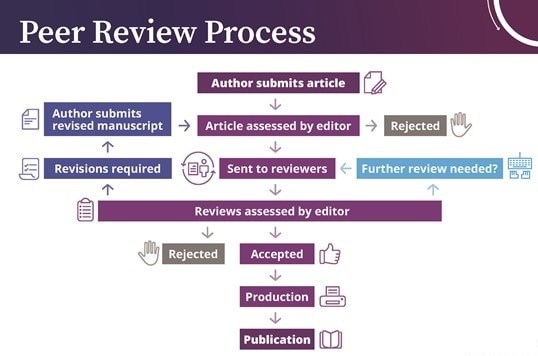
The Pakistan Journal of Medical & Health Sciences (PJM&HS) adheres to a strict double-blind peer review system, a process designed to preserve academic neutrality and enhance the scientific reliability of published material. Double-blind review ensures that neither the authors nor the reviewers are aware of each other’s identities throughout the entire review cycle. This model promotes fairness, eliminates implicit biases, and upholds the values of impartiality, scholarly integrity, and academic transparency. By removing information that could influence reviewer judgment such as author names, affiliations, institutional rankings, or geographic origin the journal ensures that manuscripts are evaluated solely on their scientific merit, methodological soundness, originality, and contribution to the field of medical and health sciences.
Editorial Screening and Reviewer Selection
Immediately after submission, every manuscript undergoes an initial editorial evaluation to ensure alignment with the journal’s aims, scientific scope, ethical standards, plagiarism limits, and formatting requirements. Only manuscripts that pass this preliminary stage are sent for formal double-blind peer review. Reviewers are selected based on their expertise, academic credentials, publication record, and familiarity with the subject matter. Reviewers are also bound by COPE Ethical Guidelines for Peer Reviewers, which require confidentiality, objectivity, professionalism, and complete avoidance of any conflict of interest. This initial screening and curated reviewer selection strengthen the journal’s commitment to high-quality, unbiased scientific evaluation.
Reviewer Responsibilities and Ethical Expectations
Within the double-blind system, reviewers are expected to provide constructive, evidence-based, and methodologically informed assessments. They must critically analyze the validity of the study design, the appropriateness of statistical analyses, the originality of the research question, the clarity of data presentation, the accuracy of interpretation, and the overall coherence of the manuscript. Reviewers must also identify ethical concerns, methodological weaknesses, inconsistencies, or inappropriate citations when present. The journal expects reviewers to maintain strict confidentiality, to avoid sharing the manuscript with others, and to refrain from using any information within the manuscript for personal or academic advantage. Reviewers must decline the assignment if they feel unqualified or if potential conflicts of interest exist. These expectations reflect the journal’s dedication to ethical responsibility and the values upheld by ICMJE, COPE, PMDC, and HEC.
Evaluation Process and Editorial Decisions
The editorial office synthesizes the reviewers’ detailed reports, weighing their academic insights and recommendations with professional judgment. Review outcomes may include requests for minor revision, major revision, resubmission, acceptance, or rejection. In cases where reviewer opinions diverge significantly or present conflicting perspectives, the journal may seek an additional expert review to ensure balanced and informed decision-making. Authors are provided with anonymized reviewer comments and are expected to respond comprehensively and respectfully to every point raised. This transparent and dialog-driven process strengthens the scientific accuracy and clarity of the final manuscript. Final acceptance decisions rest solely with the editorial board, ensuring independence from external influence, institutional pressure, or commercial interest.
Confidentiality and Ethical Safeguards
Double-blind peer review within PJM&HS is anchored in ethical rigor and professional confidentiality. Manuscripts, reviews, and communication are kept strictly confidential, and reviewers’ identities remain undisclosed before, during, and after publication. The journal prohibits any attempt to identify reviewers or authors during or after the evaluation process. Any breach of confidentiality, misuse of manuscript content, or unprofessional conduct is taken seriously and may result in reviewer removal, author sanctions, or institutional notification. The journal’s ethical safeguards reflect its commitment to the core values of integrity, fairness, professionalism, and respect for the scientific process.
Commitment to Quality, Transparency, and Editorial Independence
Through its double-blind peer review policy, PJM&HS demonstrates its deep commitment to maintaining the highest standards of scientific quality, publishing ethics, and editorial transparency. The journal emphasizes independence in editorial decisions, striving to create an environment where manuscripts are judged solely on their contribution to knowledge, adherence to ethical principles, and methodological excellence. This rigorous peer-review system stands as a central pillar supporting the journal’s mission to produce reliable, credible, and ethically sound research in the medical and health sciences domain, aligned fully with the ethical expectations of HEC, PMDC, COPE, and ICMJE.
Rejected Articles Appeals Policy
Right to Appeal and Editorial Transparency
The Pakistan Journal of Medical & Health Sciences (PJM&HS) recognizes the importance of fairness, transparency, and academic due process within its editorial decision-making. While the journal strives to make every decision objective and grounded in rigorous peer review, it also acknowledges that authors may occasionally feel that a manuscript has been rejected unfairly or that important scientific merit was overlooked. In keeping with the ethical principles endorsed by COPE, ICMJE, HEC, and PMDC, PJM&HS provides authors with the right to submit an appeal against a rejection decision when they believe that the evaluation may have been influenced by misinterpretation, oversight, procedural error, or an inappropriate assessment of scientific quality. The appeal mechanism reflects the journal’s commitment to maintaining trust, openness, and integrity within its editorial processes.
Grounds for Appeal and Author Responsibilities
An appeal must be based on substantive academic reasons rather than disagreement with a reviewer’s opinion alone. Valid grounds for appeal may include concerns that a reviewer misunderstood the data, overlooked critical methodological elements, applied incorrect assumptions, demonstrated factual inaccuracies, or that the review contained unprofessional language, bias, or conflict of interest. Authors submitting an appeal are expected to present a clear, well-reasoned explanation supported by scientific arguments. Emotional, accusatory, or speculative appeals are not considered. Authors must also provide evidence, clarifications, rebuttals, or updated data where appropriate. The appeal must be submitted by the corresponding author within a reasonable timeframe following the rejection decision, and all authors must agree to the appeal. Through this structured approach, PJM&HS ensures that appeals preserve academic decorum and uphold the journal’s values of intellectual responsibility and scholarly respect.
Editorial Review of Appeals
Once an appeal is received, the journal undertakes a careful and impartial evaluation of the request. The initial rejection decision is reviewed by the Editor-in-Chief or a designated senior editorial member who was not part of the original decision-making team, ensuring a fresh and unbiased perspective. This review may involve re-examining the manuscript, analyzing the original reviewer reports, evaluating the author’s appeal letter, and determining whether additional review or expert consultation is warranted. If the editorial office concludes that the appeal has merit, the manuscript may be reassigned to a new reviewer or sent for an additional round of peer review. However, if the editorial assessment confirms that the original decision was appropriate, scientifically justified, and free from bias or oversight, the rejection decision will remain in place. PJM&HS emphasizes that appeals are treated seriously, confidentially, and strictly within the ethical framework established by COPE guidelines for handling contested editorial decisions.
Final Decision and Editorial Independence
The journal stresses that the appeals process does not guarantee reversal of the initial decision. The final determination rests exclusively with the Editor-in-Chief after considering all evidence presented during the appeal. This final decision is binding and cannot be challenged further in order to maintain the journal’s editorial independence, workflow integrity, and respect for peer reviewer contributions. The journal does not permit multiple or repeated appeals for the same manuscript, as doing so would compromise editorial efficiency and fairness. Once a final decision is issued, authors may choose to revise the manuscript independently and submit it to another journal if they wish. PJM&HS ensures that while authors are afforded the right to challenge decisions based on academic grounds, the integrity of the peer-review process and the autonomy of the editorial team remain fully preserved.
Ethical Conduct Throughout the Appeals Process
PJM&HS expects all authors to engage in the appeals process professionally, respectfully, and ethically. Threatening communications, attempts to influence editorial outcomes unfairly, or efforts to bypass established procedures are treated as editorial misconduct and may result in sanctions, including submission bans or institutional notification. Similarly, editorial staff remain committed to handling appeals with neutrality, dignity, and confidentiality, following COPE’s principles on transparency and best practice. The journal believes that a well-regulated appeals process strengthens scientific accountability, promotes editorial fairness, and supports the shared values of credibility, trust, and ethical scholarship across the medical research community.
Ethical Approval of Research Policy
Commitment to Ethical Conduct in Human and Animal Research
The Pakistan Journal of Medical & Health Sciences (PJM&HS) maintains an uncompromising commitment to the ethical conduct of research involving human participants, human biological materials, identifiable data, animals, and vulnerable populations. All manuscripts submitted to the journal must demonstrate strict adherence to internationally recognized ethical frameworks, including the Declaration of Helsinki, the International Conference on Harmonisation – Good Clinical Practice (ICH-GCP) guidelines, and the World Health Organization (WHO) research ethics principles, alongside national regulations mandated by the Higher Education Commission (HEC) Pakistan, the Pakistan Medical & Dental Council (PMDC), and institutional Ethical Review Committees (ERC/IRB) within the country. PJM&HS requires that studies involving human subjects or identifiable human data undergo prior approval from an accredited Institutional Review Board (IRB) or Ethical Review Committee (ERC), and that the manuscript clearly states the name of the approving committee, approval number, meeting date, and the nature of consent obtained from participants. Ethical approval must be obtained before initiation of the research, and retrospective approval is not accepted under any circumstances.
Informed Consent, Privacy, and Participant Protection
The journal requires authors to confirm that informed consent was obtained from all participants, or from their guardians in the case of minors or individuals unable to provide consent. This includes consent for participation, data collection, recording of personal or sensitive health information, and where applicable publication of images, clinical details, or case-specific identifiers. PJM&HS places strict emphasis on confidentiality and expects authors to ensure that all participant data are anonymized and protected. Manuscripts must avoid any disclosure of personal identifiers unless explicit written permission has been granted by participants. Research involving vulnerable groups such as children, pregnant women, prisoners, persons with disabilities, or economically disadvantaged populations must include additional safeguards and ethical justification, consistent with PMDC and international ethical guidelines.
Animal Research and Laboratory Ethics
For studies involving animals, PJM&HS requires compliance with internationally accepted standards such as the ARRIVE Guidelines, ensuring humane treatment, appropriate housing, responsible anesthesia, analgesia, and scientifically justified use of experimental animals. Authors must state that the study followed institutional and national regulations for animal research and provide the committee approval details. The journal does not accept research that disregards humane principles or lacks ethical oversight in the use of animals for scientific investigation.
Compliance, Documentation, and Editorial Oversight
All manuscripts reporting clinical trials must provide trial registration information from recognized platforms such as ClinicalTrials.gov, WHO ICTRP, or national trial registries. PJM&HS reserves the right to request copies of ethics approval letters, consent forms, data-use agreements, or committee communications to verify compliance. Failure to provide satisfactory documentation may result in rejection of the manuscript. Manuscripts submitted without ethical approval for human or animal research are not eligible for peer review. If ethical concerns arise during or after publication, PJM&HS follows COPE flowcharts for investigating ethical misconduct, which may result in rejection, publication of an Expression of Concern, or full retraction, depending on the severity of the breach. The journal upholds ethical accountability as a core editorial value and expects authors to do the same.
Upholding the Values of Integrity, Transparency, and Responsibility
Through this Ethical Approval of Research Policy, PJM&HS reinforces its foundational commitment to integrity, transparency, responsibility, respect for human dignity, and protection of research participants. Ethical approval is not a mere administrative formality; it is a fundamental requirement ensuring that scientific inquiry respects human rights, maintains public trust, and reflects international excellence in research practice. PJM&HS expects authors, institutions, and reviewers to collaborate in safeguarding these ethical principles, ensuring that every study published under the journal’s name meets the highest moral and scientific standards.
Privacy Statement
Commitment to Confidentiality and Protection of Personal Information
The Pakistan Journal of Medical & Health Sciences (PJM&HS) is deeply committed to safeguarding the privacy, confidentiality, and security of all personal information entrusted to the journal by authors, reviewers, readers, and editorial members. We recognize that trust is a fundamental value in scholarly communication, and therefore uphold strict privacy standards consistent with the ethical principles of COPE, ICMJE, HEC, and PMDC. All personal data collected during the submission, review, and publication process including names, affiliations, contact details, ORCID iDs, institutional information, and any communication with the editorial office are treated with the utmost confidentiality. Such information is used exclusively for editorial purposes and will never be disclosed, shared, or sold to third parties outside the journal’s legitimate operational framework unless required by law or with explicit author consent.
Protection of Authors’ and Reviewers’ Identities
PJM&HS upholds a rigorous double-blind peer-review system, and therefore protects the anonymity of both authors and reviewers throughout the review cycle. Reviewers do not have access to author identities, and authors do not receive any information that may reveal the identity of reviewers. All manuscripts, reviewer reports, editorial communications, and related documents are handled confidentially. Reviewers are required to delete manuscript files after completing the review, and are prohibited from sharing, copying, or using any part of the manuscript for personal or academic benefit. This strict confidentiality preserves fairness, protects the integrity of the scholarly process, and maintains the ethical standards expected by PMDC, HEC, COPE, and international medical publishing bodies.
Data Handling, Security, and Digital Protection
All electronic submissions and personal information stored within the journal management system are protected through secure, password-protected servers and regularly updated digital safeguards. Access to confidential manuscript material is restricted to authorized editorial staff and assigned reviewers only. PJM&HS employs secure communication channels to prevent unauthorized access, data leakage, or manipulation of editorial content. Personal data are retained only for as long as necessary to complete editorial tasks or fulfill legal and academic obligations. Once retention periods lapse, records may be archived securely or deleted in accordance with digital preservation policies and ethical guidelines.
Confidentiality of Research Participants and Sensitive Information
PJM&HS places strong emphasis on the privacy and dignity of human research participants. Manuscripts must ensure that no patient or participant is identifiable unless explicit written consent has been obtained. Photographs, case descriptions, clinical details, medical histories, or laboratory results must be fully anonymized. Where identification is unavoidable and scientifically necessary, authors must secure legally valid informed consent from the individual or their guardian, and a statement confirming this must be included in the manuscript. Failure to protect participant confidentiality may result in manuscript rejection or post-publication corrective action. This requirement aligns with COPE, ICMJE, WHO, and Declaration of Helsinki guidelines for ethical protection of human subjects.
Use of Personal Information and Limitations
The journal uses personal information solely for the purposes of manuscript handling, editorial workflows, peer review coordination, publication processing, and professional communication with contributors. Email addresses, names, and affiliations may be used for sending editorial decisions, reviewer invitations, journal announcements, and updates relevant to authors or reviewers. PJM&HS does not use personal data for marketing unrelated to the journal, nor does it share such information with external entities without user consent. Any exceptions such as compliance with legal investigations or academic-integrity inquiries are handled transparently and ethically.
Adherence to Ethical Values and International Standards
This Privacy Statement reflects the journal’s commitment to the core values of integrity, transparency, confidentiality, academic respect, and ethical stewardship. PJM&HS strictly follows the privacy and confidentiality requirements recommended by COPE, ICMJE, PMDC, and HEC. We believe that protecting the privacy of authors, reviewers, and research participants is not merely a procedural obligation, but a fundamental element of ethical publishing. Through this policy, PJM&HS ensures that all personal and sensitive information shared with the journal is handled with professionalism, respect, and uncompromising confidentiality, thereby upholding the trust placed in the journal by the global medical and scientific community.
Withdrawal Policy
Principles Governing Manuscript Withdrawal
The Pakistan Journal of Medical & Health Sciences (PJM&HS) views manuscript withdrawal as a serious academic action that must be governed by responsibility, transparency, and ethical rigor. Once a manuscript is submitted, it enters an organized and resource-intensive editorial workflow involving plagiarism checks, administrative assessment, reviewer assignment, and critical evaluation. Because this process demands time, effort, and scholarly labor from editors and reviewers, PJM&HS does not permit withdrawal requests that are frivolous, premature, or motivated by unethical intentions such as duplicate submission, publication elsewhere, or avoidance of critical peer review. In line with the ethical expectations of HEC, PMDC, COPE, and ICMJE, the journal considers withdrawal a legitimate step only under justifiable circumstances, such as major methodological errors discovered by authors, ethical concerns regarding data, or genuine inability to continue with the publication process for valid reasons.
Permissible Grounds for Withdrawal and Author Obligations
Authors requesting withdrawal must provide a formal, written explanation detailing the reasons for the request, signed by the corresponding author and acknowledged by all co-authors. The journal expects absolute clarity and honesty when authors seek to withdraw their work. Withdrawal requests that lack convincing justification or arise from attempts to submit the manuscript simultaneously to multiple journals are considered violations of publishing ethics. PJM&HS reserves the right to investigate any withdrawal request to ensure it aligns with ethical standards. During this process, the manuscript remains under the journal’s consideration until an official decision regarding the withdrawal is made. Manuscripts containing ethical concerns including data integrity issues, undisclosed conflicts of interest, authorship disputes, or suspected plagiarism may not be withdrawn unconditionally, as the journal is obligated to follow COPE’s misconduct procedures.
Restrictions After Peer Review or Acceptance
Once a manuscript has entered peer review, editorial resources have been invested, and therefore withdrawal becomes more restricted. PJM&HS discourages withdrawal at advanced stages, especially after reviewer reports have been shared. If authors insist on withdrawal at this stage without a justifiable ethical or scientific reason, the journal may impose sanctions, including temporary or permanent submission bans or notification to HEC, PMDC, or relevant institutional authorities, as such behavior undermines the integrity of the scholarly communication process. Withdrawal after acceptance is permitted only under exceptional circumstances, such as discovery of serious data errors or ethical concerns that render the findings unreliable. Under no conditions may a manuscript be withdrawn after it has been formally scheduled for publication, assigned a DOI, or posted as an early online release.
Editorial Authority and Final Decision
The decision to approve or deny a withdrawal request rests solely with the Editor-in-Chief. The editorial office reviews all requests carefully, evaluating the justification, the ethical implications, and the stage of the editorial workflow. If a withdrawal is granted, authors receive written confirmation, and the manuscript is archived as withdrawn within the system. If withdrawal is denied due to ethical concerns or procedural violations, the manuscript continues through the editorial process or may be subjected to misconduct investigation, depending on the nature of the issue. The journal ensures that every withdrawal decision is handled professionally, confidentially, and in compliance with international ethical guidelines.
Commitment to Ethical Values and Publishing Integrity
This Withdrawal Policy reflects PJM&HS’s commitment to the core values of academic integrity, transparency, accountability, respect for editorial labor, and adherence to ethical research conduct. Manuscript withdrawal is treated not as a routine administrative request, but as an important ethical responsibility shared by authors and editors. By enforcing strict withdrawal procedures, PJM&HS protects the credibility of its publication processes, ensures fairness to reviewers and editors, and supports the larger medical research community in maintaining high standards of responsible publishing.
Scientific Misconduct Policy
Commitment to Research Integrity and Ethical Scholarship
The Pakistan Journal of Medical & Health Sciences (PJM&HS) is firmly committed to upholding the highest standards of research integrity, scientific honesty, and ethical scholarship. Scientific misconduct is fundamentally incompatible with the values of truth, transparency, accountability, and respect for the scientific community. The journal follows international guidelines set by the Committee on Publication Ethics (COPE), the International Committee of Medical Journal Editors (ICMJE), and aligns with national regulatory expectations established by the Higher Education Commission (HEC) Pakistan and the Pakistan Medical & Dental Council (PMDC). PJM&HS considers any attempt to manipulate, fabricate, misrepresent, or falsify scientific work a severe breach of ethical responsibility and an offense that directly threatens the credibility of medical and health-sciences research.
Forms of Scientific Misconduct and Editorial Definitions
Scientific misconduct encompasses a range of unethical behaviors that distort the integrity of research and publication. This includes fabrication of data, which involves making up findings or results that never occurred; falsification, where data, images, instruments, or procedures are manipulated to misrepresent outcomes; and plagiarism, which entails the unauthorized and uncredited use of another person’s intellectual work. Other serious misconduct includes image manipulation, duplicate submission, redundant or salami publication, undisclosed conflicts of interest, unethical authorship practices, unethical patient handling, and misrepresentation of research protocols. The journal also considers intentional omission of data, selective reporting of favorable results, suppression of adverse outcomes, and concealment of methodological flaws as forms of misconduct that violate the ethical obligations of scientific communication.
Detection, Investigation, and Ethical Due Process
Whenever concerns or allegations of misconduct arise whether prior to publication, during peer review, or after an article has been published PJM&HS undertakes a structured and transparent investigation in accordance with COPE flowcharts. The journal may initiate an inquiry based on reviewer comments, editorial assessment, reader concerns, whistleblower disclosures, or post-publication critiques. Investigations may involve comparing data, examining raw files, reviewing statistical analyses, consulting experts, and communicating directly with authors for clarification. If necessary, the journal may request institutional involvement to examine the integrity of the data or research methods. During this process, confidentiality is strictly maintained, and all parties are treated fairly, professionally, and without bias. The journal remains committed to protecting the rights of both the whistleblower and the authors under investigation while ensuring that the scientific record remains accurate and trustworthy.
Consequences and Editorial Actions for Confirmed Misconduct
If scientific misconduct is confirmed, PJM&HS will take decisive corrective action based on the severity and nature of the violation. Manuscripts under review may be rejected immediately. For published articles, the journal may issue a formal correction, publish an Expression of Concern, or proceed with complete retraction to alert readers that the findings are unreliable. Retractions are published in accordance with COPE and ICMJE guidelines and remain permanently accessible to preserve the transparency of the scholarly record. In cases of severe or deliberate misconduct, the journal may impose additional sanctions such as banning the authors from future submissions, informing their affiliated institutions, or alerting regulatory bodies such as HEC and PMDC. These measures reflect the journal’s dedication to protecting the integrity of scientific literature and maintaining confidence in its editorial standards.
Promoting a Culture of Integrity, Responsibility, and Accountability
PJM&HS believes that preventing scientific misconduct begins with strong ethical foundations among researchers, authors, and institutions. The journal encourages authors to maintain rigorous methodological practices, ensure accuracy of data, preserve research records, disclose conflicts of interest transparently, and follow ethical principles throughout the research lifecycle. By emphasizing values such as honesty, accountability, respect for human and animal subjects, and intellectual responsibility, PJM&HS fosters a culture that does not tolerate misconduct and instead upholds the dignity and credibility of the scientific enterprise. Through its Scientific Misconduct Policy, the journal reaffirms its commitment to strengthening trust in medical research, preserving the integrity of the academic record, and supporting the global community of scholars in advancing knowledge ethically and responsibly.
Conflicts of Interest / Competing Interests Policy
Commitment to Transparency and International Ethical Standards
The Pakistan Journal of Medical & Health Sciences (PJM&HS) is deeply committed to safeguarding integrity, transparency, academic honesty, and impartiality in all aspects of the publication process. In accordance with the ethical principles of the International Committee of Medical Journal Editors (ICMJE), the Committee on Publication Ethics (COPE), the Higher Education Commission (HEC) Pakistan, and the Pakistan Medical & Dental Council (PMDC), the journal requires full and accurate disclosure of any actual, potential, or perceived conflicts of interest that may influence research submission, peer review, editorial judgment, or publication outcomes. A conflict of interest also referred to as a competing interest may arise when personal, financial, professional, academic, intellectual, or institutional relationships could compromise, or appear to compromise, the neutrality and fairness expected in scientific publishing. PJM&HS adopts the guiding principle that transparency is essential for maintaining trust in the scholarly record and enabling readers to evaluate research findings with appropriate context and clarity.
Author Responsibilities Under ICMJE Requirements
All authors submitting manuscripts to PJM&HS must fully comply with the ICMJE Recommendations on “Disclosure of Financial and Non-Financial Relationships and Activities”. Authors are required to complete the official ICMJE Conflict of Interest Form for every submission. Disclosures must include all relevant financial support such as grants, consulting fees, honoraria, employment, equity holdings, patents, and royalties, as well as non-financial interests including academic rivalry, personal relationships, political or religious influences, personal beliefs, or intellectual commitments that may bias interpretation or reporting of research. The journal emphasizes that a declared conflict does not disqualify a manuscript, but failing to disclose one violates ethical obligations and may result in rejection, retraction, or notification to regulators. PJM&HS expects authors to be honest and comprehensive, adhering strictly to the transparency standards defined in the ICMJE Recommendations (www.icmje.org).
Reviewer and Editor Obligations Under COPE Ethical Framework
Reviewers participating in the journal’s double-blind peer-review process must uphold the ethical standards articulated in the COPE Ethical Guidelines for Peer Reviewers. They must decline to review a manuscript if they recognize a personal, professional, financial, competitive, collaborative, or ideological conflict that could compromise their objectivity. Editors handling submissions must also follow the COPE Code of Conduct and Best Practice Guidelines for Journal Editors, ensuring that decisions are free from bias, external influence, or personal interest. Editors must recuse themselves from handling manuscripts involving authors with whom they have close relationships or active conflicts. By applying COPE’s principles of fairness, impartiality, and accountability, PJM&HS ensures that all editorial judgments are ethically grounded and professionally transparent.
Evaluation, Management, and Consequences of Conflicts
All conflict-of-interest disclosures are reviewed by the editorial office to determine their relevance to the manuscript and potential influence on the research’s interpretation. Declared conflicts do not automatically lead to rejection; instead, they provide essential transparency that allows editors and readers to contextualize the scientific findings. However, undeclared conflicts discovered during or after publication are considered serious ethical violations under both ICMJE and COPE guidelines. In such cases, PJM&HS may initiate a formal investigation, request author clarification, or consult institutional authorities. Depending on the severity, consequences may include manuscript rejection, publication of a correction, issuance of an Expression of Concern, or full retraction. Persistent or deliberate concealment of conflicts may result in sanctions, including submission bans, consistent with COPE misconduct procedures.
Upholding Transparency, Responsibility, and Scientific Integrity
This Conflicts of Interest / Competing Interests Policy reflects PJM&HS’s unwavering commitment to the values of transparency, honesty, impartiality, ethical clarity, and professional responsibility. PJM&HS believes that clear disclosure of all competing interests is a cornerstone of ethical medical publishing and essential for preserving trust between authors, editors, reviewers, and readers. Through strict adherence to ICMJE’s disclosure requirements, COPE’s ethical standards, and national expectations from HEC and PMDC, the journal ensures that its publication practices remain credible, unbiased, and aligned with international best practices. PJM&HS expects all contributors to respect these guidelines and uphold the integrity of the scientific record at every stage of the scholarly communication process.
Open Citation Policy
Commitment to Citation Transparency and Open Scholarship
The Pakistan Journal of Medical & Health Sciences (PJM&HS) is firmly committed to the principles of open scholarship, academic transparency, and free accessibility of scientific metadata. As a gold open-access journal operating under the Creative Commons Attribution 4.0 International (CC BY 4.0) License, PJM&HS promotes unrestricted use, distribution, and reproduction of both its published content and its citation metadata, provided proper attribution is given. In alignment with global open-science initiatives, as well as the ethical expectations of COPE, ICMJE, HEC, and PMDC, the journal embraces an Open Citation Policy designed to ensure that reference lists, bibliographic data, and scholarly relationships embedded in our published articles remain openly available for indexing, reuse, computational analysis, and scholarly dissemination.

Transparency of Reference Metadata and Public Availability
PJM&HS believes that openly accessible citation data enhances research discoverability, strengthens scholarly collaboration, and supports transparent knowledge ecosystems. For this reason, the journal deposits citation metadata with Crossref in an openly accessible format, enabling other researchers, indexing services, bibliometric platforms, universities, and digital repositories to freely access, analyze, and build upon the citation relationships created within our literature. This openness not only supports academic visibility but also fortifies the journal’s contribution to global medical knowledge networks. Under the CC BY 4.0 license, readers, researchers, and organizations are permitted to reuse citation data without restrictions, provided they acknowledge PJM&HS as the original source.
Ethical and Scientific Value of Open Citations
Open citations reflect the journal’s core values of transparency, integrity, and accountability in scientific communication. Allowing free access to citation metadata ensures that scholarly influence, citation patterns, and research linkages can be evaluated fairly and without proprietary barriers. It prevents the creation of opaque citation practices and supports reproducibility in bibliometric analysis, systematic reviews, and meta-research. In accordance with COPE’s emphasis on ethical publishing and ICMJE’s recommendations on proper referencing, PJM&HS ensures that all citations remain fully traceable and ethically verified. Through open citations, the journal contributes to the creation of trustworthy, verifiable, and globally accessible scientific knowledge.
Integration with Open-Science Infrastructure
By implementing this Open Citation Policy, PJM&HS guarantees that its metadata can be harvested by open initiatives such as the Initiative for Open Citations (I4OC), institutional repositories, government research platforms, academic search engines, and open databases across the world. This aligns with the journal’s open-access philosophy and ensures long-term preservation, interoperability, and interoperability of scholarly content. Readers and researchers are thus empowered to explore citation networks, measure academic influence, and extract bibliographic information freely and legally under the CC BY 4.0 license.
Upholding Values of Openness, Accessibility, and Responsible Scholarship
This policy reflects PJM&HS’s commitment to openness, accessibility, academic responsibility, transparency, and global collaboration. By ensuring that citations remain openly available, the journal not only supports the advancement of medical research but also strengthens the ethical foundation of scholarly publishing. Through adherence to CC BY 4.0 licensing, and in harmony with guidelines from COPE, ICMJE, HEC, and PMDC, PJM&HS endorses a model of publishing where knowledge is freely shared, responsibly attributed, and preserved for the benefit of the international scientific community.
Repository Policy
Commitment to Preservation and Permanent Accessibility
The Pakistan Journal of Medical & Health Sciences (PJM&HS) is committed to ensuring long-term preservation and uninterrupted accessibility of its published scholarly content. As a fully open-access journal operating under the Creative Commons Attribution 4.0 International (CC BY 4.0) License, PJM&HS believes that the durability and stability of the scientific record are fundamental to ethical publishing and responsible knowledge dissemination. To uphold these values, the journal maintains a dedicated preservation strategy that focuses exclusively on two internationally recognized archival systems: the PKP Preservation Network (PKP PN) and LOCKSS (Lots of Copies Keep Stuff Safe). These preservation infrastructures guarantee that every published article remains securely stored, redundant across multiple servers, and permanently retrievable even in the event of system failures or institutional disruptions. Through these robust preservation mechanisms, PJM&HS ensures that its content remains protected, authentic, and available to scholars, clinicians, and researchers now and in the future.
Archiving in PKP PN and LOCKSS Systems
PJM&HS uses the PKP Preservation Network (PKP PN) as its primary long-term archiving solution. PKP PN is specifically designed for journals using the Open Journal Systems (OJS) platform and ensures secure, distributed, multi-node preservation. This network protects the journal’s entire collection by storing articles across multiple geographically distributed archival nodes, minimizing the risk of loss and safeguarding the scholarly record in perpetuity. In addition to PKP PN, the journal employs LOCKSS technology, a well-established digital preservation system that creates multiple, independent copies of published content across participating library servers worldwide. LOCKSS continuously verifies and repairs stored content, ensuring its long-term authenticity and integrity. By archiving exclusively in PKP PN and LOCKSS, PJM&HS maintains a preservation model that is aligned with global open-access infrastructure and adheres to the ethical expectations of COPE, ICMJE, HEC, and PMDC.
Author Rights and Repository Compatibility
Although PJM&HS archives only within PKP PN and LOCKSS, the journal fully supports author self-archiving rights under the CC BY 4.0 license. Authors are permitted to deposit the submitted version, accepted version, and published version of their articles in institutional repositories, personal websites, or academic databases of their choice. While the journal itself does not maintain or integrate additional external repositories, its CC BY 4.0 license ensures that authors retain full freedom to disseminate their work widely while preserving citation integrity through proper attribution and DOI referencing. This allows authors to maximize visibility and impact while maintaining alignment with the journal’s preservation infrastructure.
Preservation Values and Editorial Responsibility
This Repository Policy reflects PJM&HS’s dedication to research preservation, accessibility, transparency, and ethical stewardship. By intentionally focusing on PKP PN and LOCKSS as the journal’s sole archival systems, PJM&HS ensures that its preservation efforts remain reliable, technically robust, and fully integrated with established scholarly communication frameworks. The journal’s commitment to these preservation platforms safeguards its publications for future generations, maintains the integrity of the academic record, and strengthens the trust placed in the journal by researchers, institutions, and the medical community. Through this policy, PJM&HS affirms its ongoing responsibility to protect and preserve every article it publishes under internationally recognized digital preservation standards.
Open Access, Licensing & Copyright Policy
The Pakistan Journal of Medical & Health Sciences (PJM&HS) is a fully open-access medical and health sciences journal committed to the global principles of unrestricted knowledge dissemination, scholarly transparency, and equitable access to scientific information. All articles published in PJM&HS are immediately and permanently available online without subscription fees or access barriers, reflecting the journal’s dedication to supporting open-science values in alignment with international publishing guidelines from ICMJE, COPE, and the ethical expectations of HEC and PMDC. PJM&HS operates under the Creative Commons Attribution 4.0 International (CC BY 4.0) License, which permits users to read, share, copy, distribute, adapt, and build upon the published material for any lawful purpose, provided that appropriate credit is given to the original authors and the journal as the source of publication. This licensing framework ensures maximum visibility, utility, and global reach of scientific work while preserving proper scholarly attribution.
Under this open-access model, authors retain full copyright of their manuscripts while granting PJM&HS the non-exclusive right to publish, disseminate, and archive the work in its online platform and preservation systems. Because authors preserve their copyright, they may freely reuse their content in future books, institutional repositories, academic websites, professional presentations, or educational materials, provided they acknowledge the version published by PJM&HS and include the appropriate citation and DOI link. The journal does not impose any restrictions on author self-archiving or redistribution of their published work, consistent with the freedoms guaranteed by CC BY 4.0. This approach strengthens academic visibility, empowers authors to share their findings widely, and supports compliance with open-access mandates required by many institutions, funding bodies, and regulatory authorities.
PJM&HS ensures that all copyright, licensing, and reuse permissions are communicated clearly at the time of publication so that readers, institutions, and digital libraries understand their rights when using journal content. The journal prohibits unauthorized use that misrepresents authorship, alters results misleadingly, or violates ethical guidelines. All users must provide clear attribution as specified by the CC BY 4.0 license

https://creativecommons.org/licenses/by/4.0/),
which serves as the legal framework governing how published works may be accessed and reused. By adopting this internationally recognized license, PJM&HS aligns itself with leading global open-access standards and reinforces its commitment to ethical publishing, data transparency, and intellectual accountability.
This policy ensures that PJM&HS remains a freely accessible, ethically governed, and internationally compliant platform where research output is preserved under open-access principles, authors maintain meaningful control over their intellectual property, and readers benefit from unrestricted availability of peer-reviewed scientific knowledge. Through this commitment, the journal promotes lifelong learning, advances medical science, and strengthens public access to reliable, high-quality research in accordance with the values of openness, integrity, and global scholarly collaboration.
Corrections and Retractions Policy
The Pakistan Journal of Medical & Health Sciences (PJM&HS) is committed to maintaining accuracy, integrity, and transparency in the scientific record, and therefore follows internationally recognized standards for post-publication corrections and retractions. The journal adheres to the ethical principles and procedural guidance outlined by the Committee on Publication Ethics (COPE) (https://publicationethics.org) and the International Committee of Medical Journal Editors (ICMJE) (https://icmje.org). If an error whether introduced by authors or during the editorial process is identified after publication, PJM&HS will issue a formal correction to clarify scientific details without altering the overall validity of the findings. Corrections are published openly, linked to the original article, and permanently accessible to ensure transparency. When more serious issues arise, such as data falsification, plagiarism, unethical research conduct, major analytical errors, authorship improprieties, undisclosed conflicts of interest, or findings that are no longer reliable, a retraction may be required. Retractions are published promptly, clearly labeled, and linked to the original paper to ensure that readers are aware of the concerns while preserving the integrity of the scientific record. The original article is not removed but is marked accordingly, as recommended by COPE and ICMJE, to maintain a trustworthy and verifiable literature trail. Expressions of Concern may be issued if an investigation is ongoing and the reliability of the article is uncertain. All corrective actions are handled with fairness, confidentiality, and respect for both the scientific process and the individuals involved. This policy ensures that PJM&HS remains an ethically responsible, transparent, and credible academic journal committed to protecting the quality and reliability of published medical research.
Pre-Print Policy
The Pakistan Journal of Medical & Health Sciences (PJM&HS) supports the responsible use and sharing of pre-prints as part of its commitment to transparency, early dissemination of scientific knowledge, and alignment with international best practices. Authors may submit manuscripts that have previously been posted on reputable pre-print servers such as medRxiv, bioRxiv, SSRN, Research Square, or institutional repositories, provided that the version submitted to PJM&HS has not undergone formal peer review elsewhere. Posting a pre-print does not influence editorial decisions or the peer-review process, which remains independent, impartial, and fully compliant with COPE and ICMJE standards. Authors are required to disclose the existence of any pre-print version at the time of submission and provide the DOI or link to ensure full transparency. Upon acceptance and publication in PJM&HS, authors should update the pre-print record by adding the citation and DOI of the final published article so that readers are directed to the authoritative version. The journal does not consider pre-prints as prior publication and does not impose any restrictions on authors sharing or discussing their research publicly before submission, as permitted under ICMJE recommendations (https://icmje.org) and COPE guidance (https://publicationethics.org). PJM&HS expects authors to ensure that any pre-print accurately reflects the state of the research at the time of posting and does not contain unethical or misleading claims. The journal retains the right to reject manuscripts if the pre-print posting compromises the integrity of the peer-review process, presents identifiable patient information, violates research ethics, or contradicts the journal’s publication standards. Through this policy, PJM&HS encourages early scientific communication while ensuring that the final peer-reviewed version represents the most reliable, ethically sound, and academically verified form of the work.
Acknowledgement Criteria
The Pakistan Journal of Medical & Health Sciences (PJM&HS) recognizes that many individuals contribute valuable support to research without meeting the full authorship requirements established by the International Committee of Medical Journal Editors (ICMJE). To ensure transparency, ethical clarity, and proper recognition of contributions, the journal requires that only those who meet all four ICMJE authorship criteria be listed as authors, while all others who provided meaningful assistance should be acknowledged appropriately. Individuals eligible for acknowledgement may include those who offered technical assistance, language editing, proofreading, data entry, administrative or logistical help, statistical support, laboratory guidance, software assistance, or general supervision that did not qualify as substantial intellectual contribution. PJM&HS requires that authors obtain permission from each individual named in the Acknowledgements section to ensure that recognition is accurate, respectful, and willingly accepted. The journal prohibits ghost authorship, honorary authorship, gift authorship, and all forms of unethical contributor misrepresentation; therefore, any involvement of professional writers, editors, or third-party services must be transparently disclosed. Funding agencies, grant numbers, institutional support, and sponsorships must also be acknowledged clearly to maintain integrity and compliance with national and international ethical standards. The journal follows COPE’s best-practice guidance and ICMJE recommendations (https://icmje.org) to ensure transparency regarding contributions that fall short of authorship but remain integral to the research process. Through this policy, PJM&HS promotes honesty, accountability, and respect for all individuals involved in the creation of scientific knowledge, ensuring that credit is given fairly and ethically while preserving the credibility of the scholarly record.
Post-Publication Discussions & Corrections Policy
The Pakistan Journal of Medical & Health Sciences (PJM&HS) encourages responsible scholarly dialogue, transparency, and continuous improvement of the scientific record, and therefore provides a structured framework for post-publication discussions and corrections in accordance with the ethical standards of COPE (https://publicationethics.org) and the recommendations of ICMJE (https://icmje.org). Once an article is published, readers, researchers, institutions, and authors are welcome to submit reasoned comments, scientific critiques, or concerns regarding the accuracy, interpretation, or ethical aspects of the work. Such submissions may include letters to the editor, formal scholarly responses, or notifications of potential errors. All post-publication communications are evaluated objectively by the editorial team and, when necessary, by independent subject experts to ensure that discourse remains evidence-based and constructive. If a minor factual or typographical error is identified that does not alter the study’s results or conclusions, the journal will issue a correction or erratum to update the published record while preserving the integrity of the original article. When more significant issues are raised such as methodological flaws, errors affecting results, ethical concerns, undisclosed conflicts of interest, or doubts about data reliability the journal will follow COPE-endorsed procedures to investigate the matter thoroughly and fairly. Investigations may result in an updated correction, an Expression of Concern for unresolved or ongoing inquiries, or a formal retraction if the validity of the work is compromised. All corrective notices are published promptly, clearly labeled, permanently accessible, and linked to the original article to maintain a transparent scholarly trail. PJM&HS does not remove or obscure original publications; instead, the journal ensures that the literature remains traceable, ethically managed, and scientifically accurate. This policy reflects PJM&HS’s commitment to safeguarding academic integrity, fostering open and responsible scientific debate, and ensuring that the published record remains trustworthy, current, and aligned with international standards of ethical medical publishing.
Data & Reproducibility Policy
The Pakistan Journal of Medical & Health Sciences (PJM&HS) is committed to strengthening scientific transparency, integrity, and verifiability, and therefore requires that all published research be supported by accessible, accurate, and reproducible data in accordance with COPE guidance (https://publicationethics.org) and ICMJE recommendations (https://icmje.org). Authors are expected to maintain complete, original datasets, laboratory records, statistical files, and relevant documents that underpin the findings of their research, and they must be prepared to provide these materials to editors, reviewers, or legitimate academic requestors when required for verification. PJM&HS encourages authors to deposit datasets in secure, reputable repositories, institutional archives, or data-sharing platforms, ensuring that any shared data protect participant confidentiality and comply with ethical approvals, informed consent, and local regulatory guidelines. For clinical research, authors should clearly state whether data can be shared and under what conditions, particularly when privacy, legal constraints, or sensitive information restrict open access. The journal expects that all analytical methods, statistical approaches, and experimental procedures be described with sufficient clarity to allow replication by independent researchers. Any use of proprietary tools, software, or algorithms must be disclosed transparently, including access conditions and limitations. Fabrication, falsification, selective reporting, and manipulation of data constitute serious violations of scientific ethics and will be handled according to COPE misconduct procedures. PJM&HS upholds the principle that reproducibility is essential for the credibility and advancement of biomedical science, ensuring that published findings remain trustworthy, verifiable, and grounded in robust research practices consistent with national and international standards.
Complaints and Appeals Policy
The Pakistan Journal of Medical & Health Sciences (PJM&HS) maintains a fair, transparent, and ethical mechanism for handling complaints and appeals to protect the rights of authors, reviewers, readers, and all contributors. All concerns related to editorial decisions, peer review quality, ethical breaches, conflicts of interest, publication delays, or perceived misconduct are treated seriously and examined carefully in accordance with COPE’s detailed guidance for complaints and appeals (https://publicationethics.org) and the procedural expectations outlined by the ICMJE (https://icmje.org). Individuals submitting a complaint must provide a clear, evidence-based explanation, after which the editorial office will review the matter impartially. Appeals to editorial decisions are permitted when authors believe that a manuscript was misunderstood, unfairly judged, or evaluated with insufficient expertise. Appeals do not guarantee acceptance but do ensure a fresh, unbiased reassessment by an independent editor or external reviewer with appropriate subject matter expertise. If a complaint involves potential ethical misconduct, authorship disputes, plagiarism, data manipulation, peer-review manipulation, or undisclosed competing interests, the journal will initiate a formal investigation following COPE flowcharts, preserving confidentiality and fairness for all parties involved. Outcomes may include a revised editorial decision, correction notice, retraction, or dismissal of the complaint if unfounded. PJM&HS ensures that all complaints and appeals are addressed respectfully, promptly, and without retaliation, reinforcing the journal’s commitment to accountability, academic integrity, and principled editorial governance. Through this policy, the journal guarantees that legitimate concerns are heard, evaluated objectively, and resolved transparently to maintain confidence in its publication process.
Contact Us
Principal Contact
Dr. Shazia Iqbal
Editor in Chief
Pakistan Journal of Medical & Health Sciences
London, United Kingdom
Adress: Office 12652, 182-184 High Street North, East Ham, London, United Kingdom, E6 2JA
Support Contact
Nouman Abbas
Managing Editor
+92 321 8464355
managingeditor@pjmhsonline.com
Pakistan Journal of Medical & Health Sciences